Are you currently planning a larger digitisation project?
We have collected some of the questions that commonly arise during digitisation and would be happy to discuss them with you.
Some questions arise during project planning; others become relevant only for a tender or once production begins.
Comprehensive advice and support at every stage are very important to us. We want you to be just as satisfied with the collaboration as you are with the digital results.
How we support your project
From the first assessment of the material to final quality control, we tailor every step to your collection, intended use and required output formats.
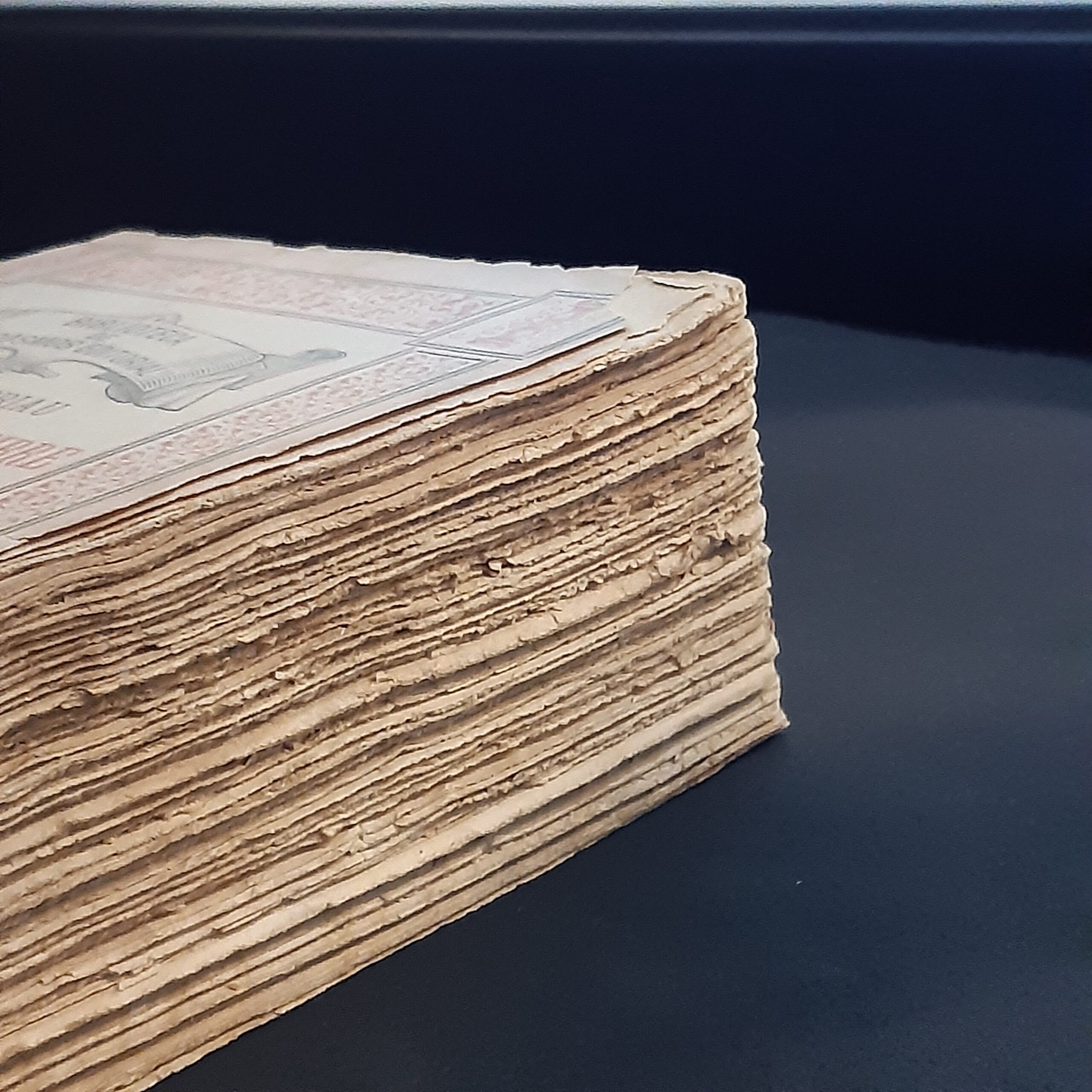
Material, binding and condition determine the appropriate workflow.
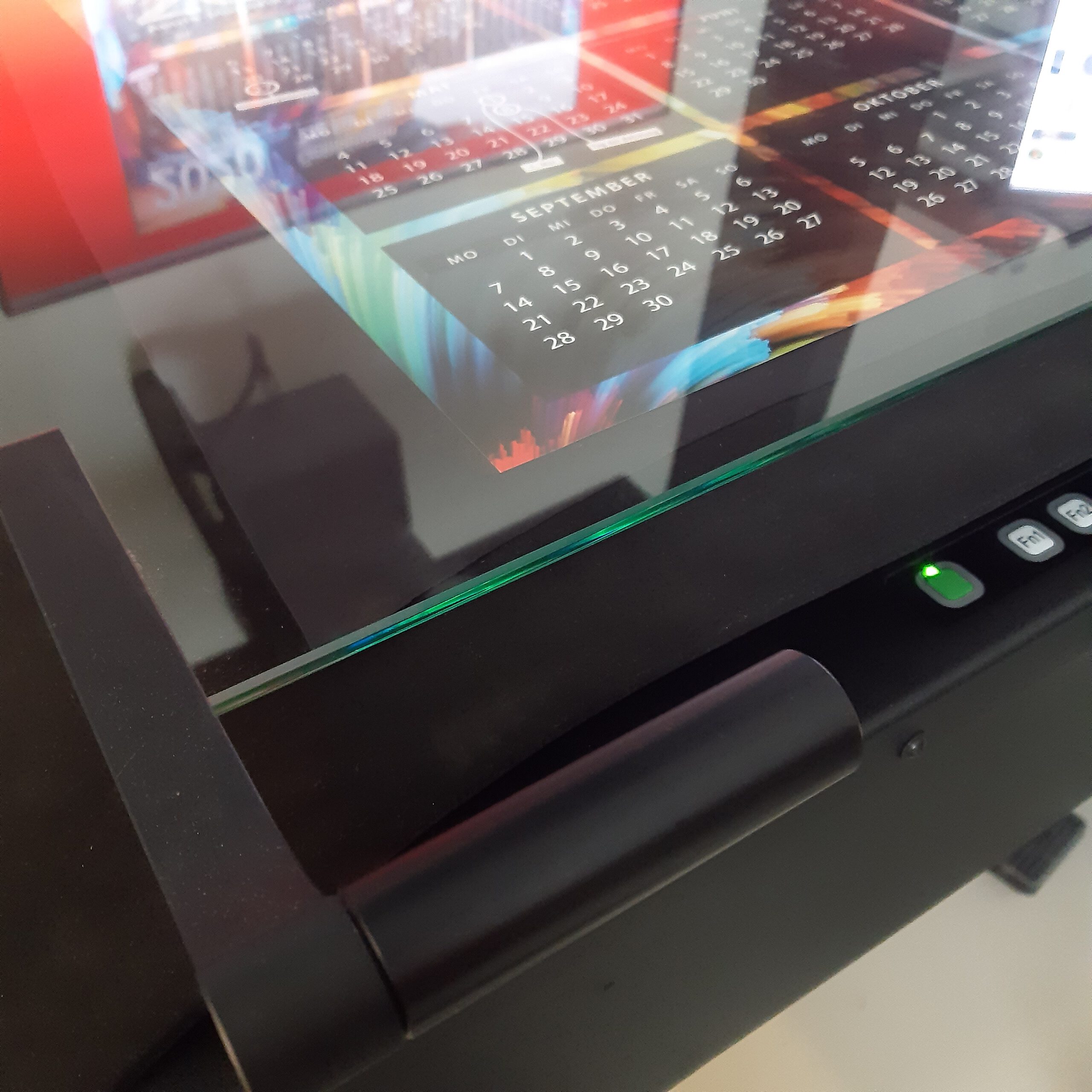
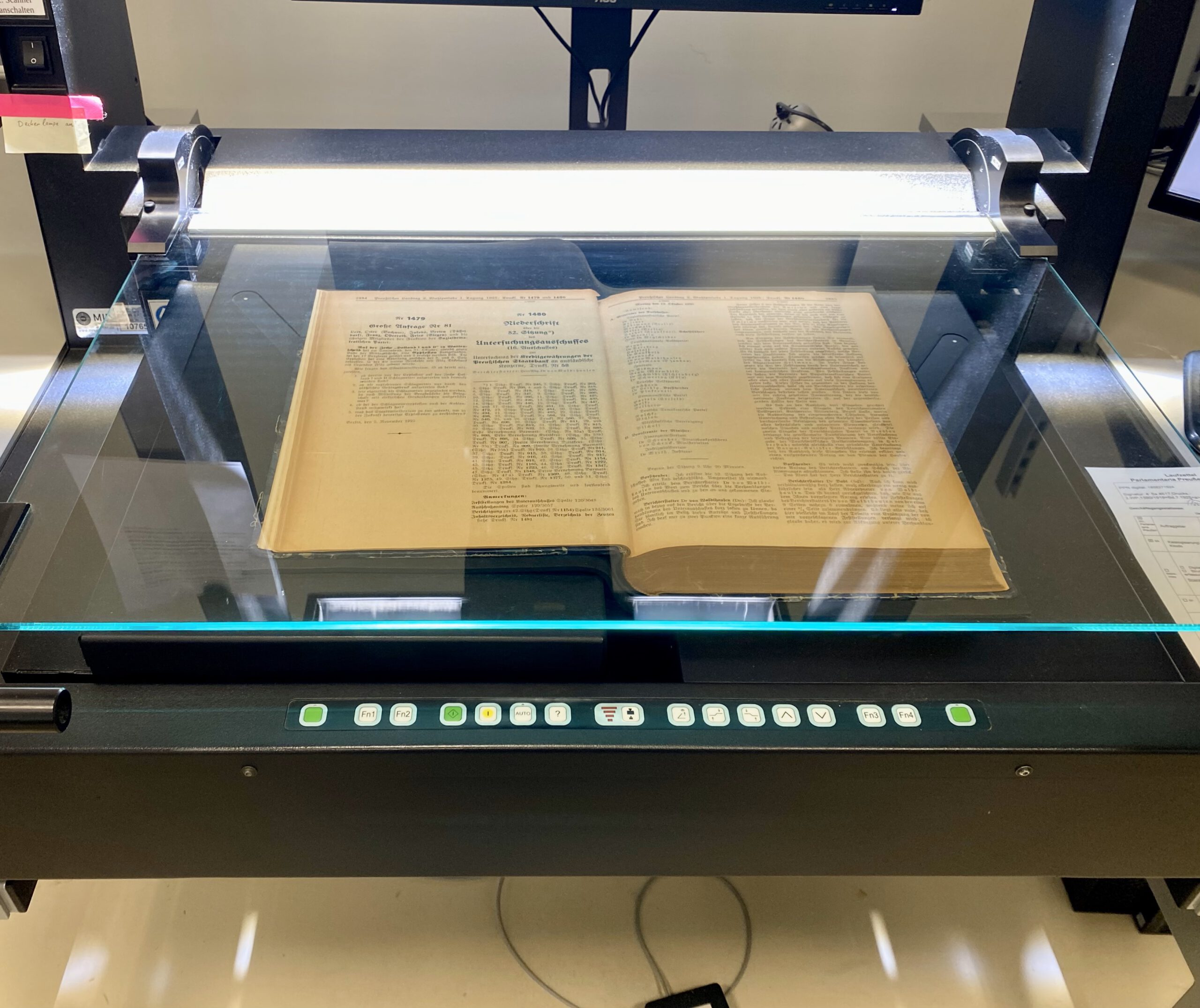
The right scanning technology protects the original and preserves every detail.
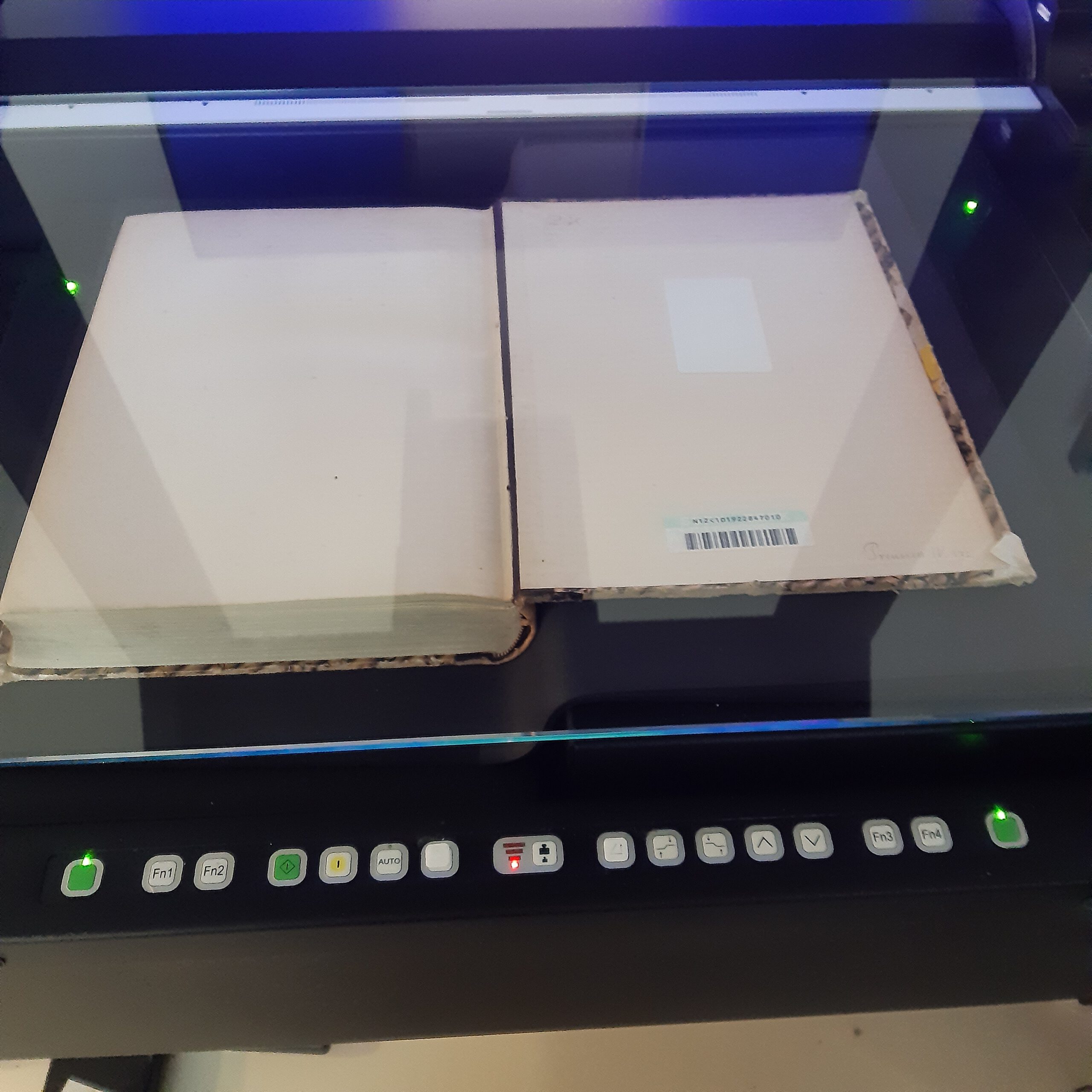
We check resolution, colour, file format and naming.
Careful digitisation and quality assurance. Photos: BiblioCopy.
What challenges arise from the condition and nature of the material?
Is all of the material suitable for digitisation? Even with the greatest care, handling an original always involves some risk.
Which equipment should be used to digitise the material?
For unique material, we normally use gentle Zeutschel overhead scanners to give your valuable documents the best possible protection.
If the material allows, larger quantities of documents can also be digitised more economically with a sheet-fed scanner. This is particularly suitable for manuscripts, school or university notes and files.
Which file formats should we use to prepare and store your data?
TIFF files are normally created for long-term archiving. We can also provide JPG images and various PDF formats, for example for online presentation.
What resolution do you require?
Depending on the size of the original, we offer high-resolution scans at 300–600 dpi.
What should the finished images look like?
We normally digitise individual documents and photographs on both sides, against a black background with a narrow border. Other crops and backgrounds are also possible.
How should the images be named and organised?
Simple sequential numbering is often sufficient, but we can also apply more complex naming schemes or divide the material into smaller units. We tailor the folder structure to your requirements as well.
Do you require OCR (text recognition)?
There are many options. Alongside standard OCR for PDFs using ABBYY FineReader or Tesseract, we also create ALTO XML. In addition to searchable PDFs, we can provide editable text files for Word or LibreOffice.
OCR is also possible for Fraktur typefaces. However, we do not offer automated handwriting recognition because the results have not yet met our quality standards.
Should metadata be embedded in the files?
We can embed metadata in the images to enrich them with specific information, such as archive or company names, copyright details or assignments to document groups.
IPTC Photo Metadata and EXIF (Exchangeable Image File Format) are the standards we normally use to store descriptive information in image files.
How should the data be delivered?
There are many options: download, hard drive or USB stick – supplied by you or by us – and DVD. Please talk to us if you have other requirements.
How will the originals reach us and be returned to you?
We can arrange or provide collection within Berlin. You can also send your documents by post or bring them to us in person.